


Făgăraș County Museum "Valer Literat"
Visiting Hours
1 May – 30 Sep: Tue – Fri 8.00 – 18.00, Sat – Sun 10.00 – 18.00 (last entrance 17.00)
1 Oct. – 30 Apr: Tue – Fri 8.00 – 17.00, Sat – Sun 9.00 – 17.00 (last entrance 16.00)
Contact details
Location
Făgăraș County Museum "Valer Literat"
Făgăraș County Museum "Valer Literat" was founded in 1923 and since 1973 is sheltered by Făgăraş Citadel, a building which has evolved over several centuries, the current fortification being preceded by a wood and mud structure, which was burned down during the Tatar-Mongol invasion in 1241.
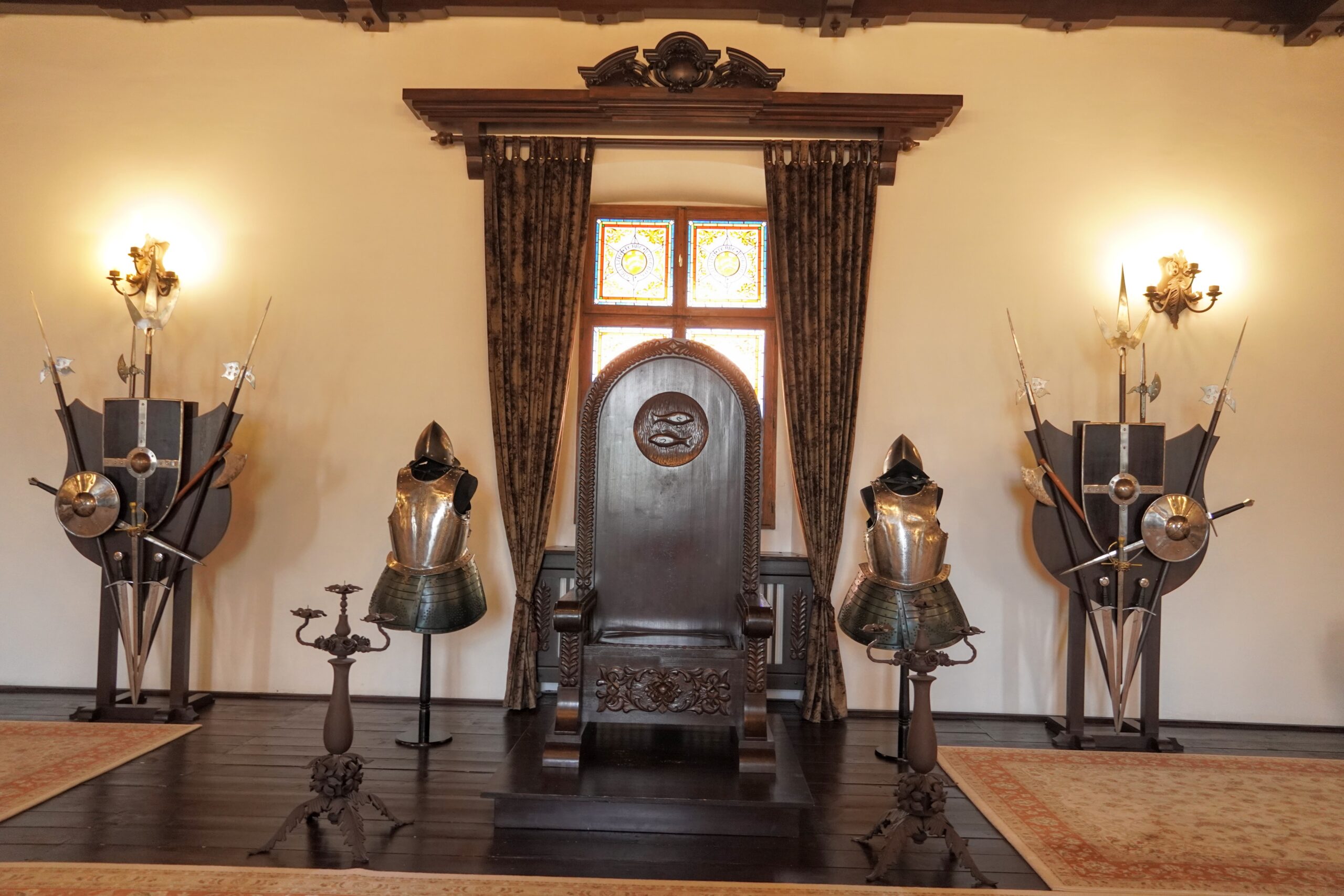
Făgăraş Citadel includes a quadrilateral castle, with an irregular shape, with four towers in the corners and a fifth one on the north side, and the bastion fortress, with the gate tower and four bastions. The beginning of the construction of this fortified complex is linked to the presence of the lords of Wallachia in this area. After 1528 the construction of the outer fortress began, this having a defensive role, its walls being doubled subsequently. This fortified complex comprises about 125 rooms. The museum’s permanent exhibition is organized on the second floor of the castle, in 21 rooms, while for the temporary exhibitions there are four rooms dedicated on the same floor. On the third floor, on the south side, one can visit the Throne Hall or The Grand Palace, the Prince's Salon.
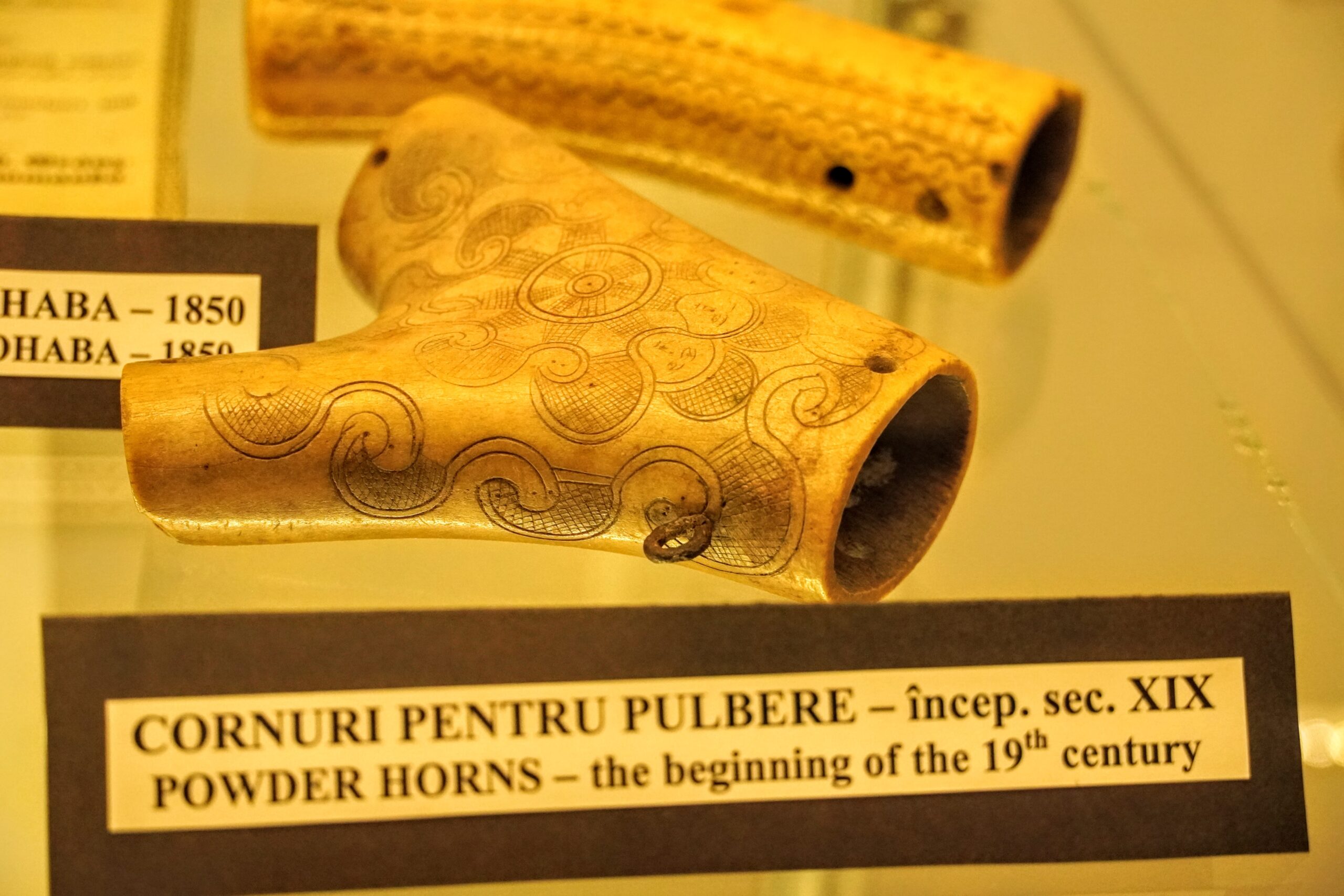
On the south wing, in the rooms called "Mailat Houses" , the exhibition is structured chronologically, starting with prehistory showing a part of the most representative archaeological inventory of Făgăraş County, then continuing with the medieval period where we can find swords, stove tiles, monetary treasures or religious art objects. Next are illustrated the Făgăraș guilds (end of the 16th century - 19th century) and modern and contemporary history, from the establishment of the border regiments during the Austrian period to the emigration of the locals to America. Then it continues with the ethnography part where is reconstituted the interior of a local countryside household and the exhibition ends in the Red Tower with cold weapons and firearms from the 14th - 19th centuries.
In the west wing, there is an important room with great historical significance called “Sala Dietei” , “Dieta” being the ancient parliament of Transylvania. Next comes the Black Tower, where on the upper floor, the Princess's Room (a.k.a. "Lady's House") was reconstituted.
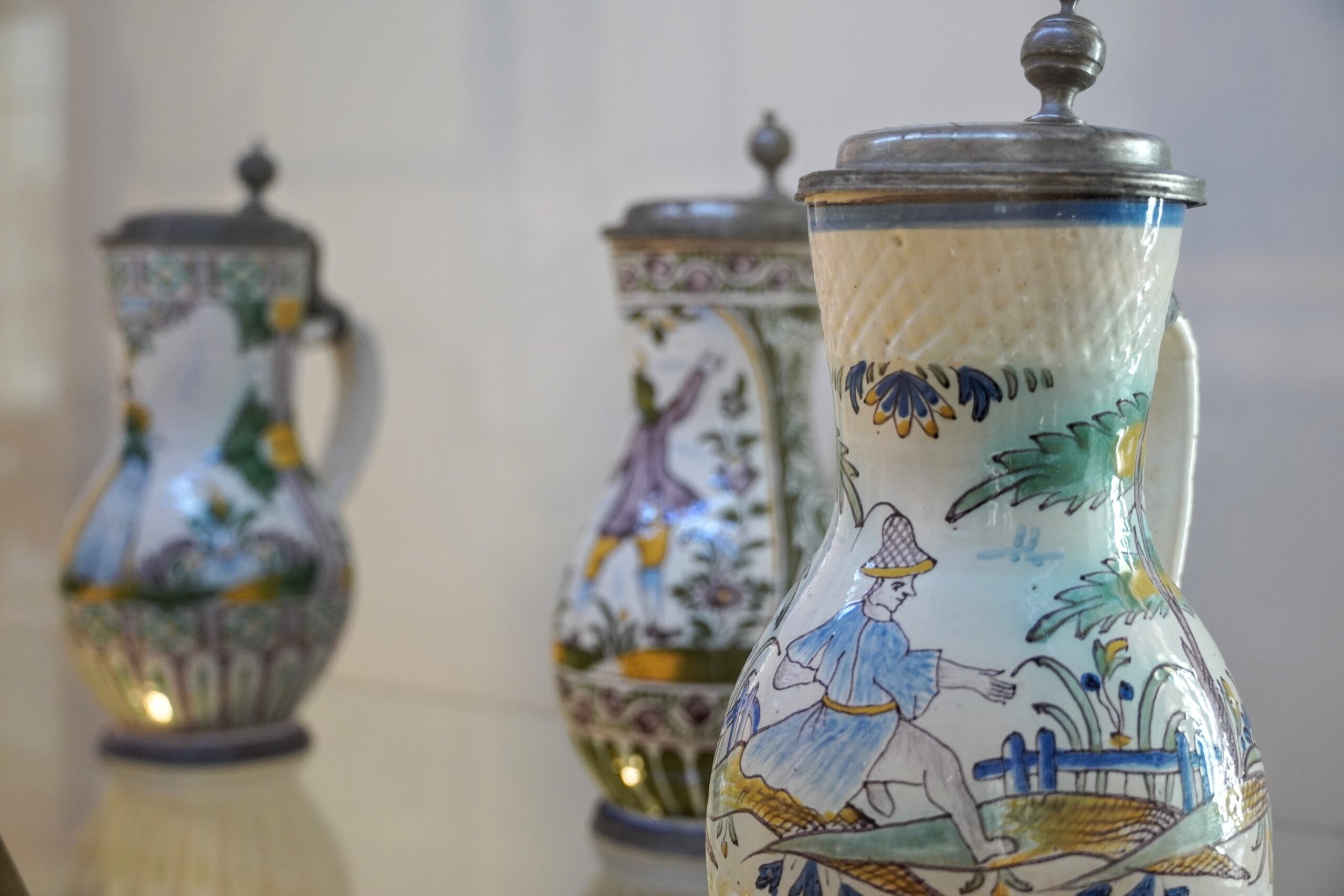
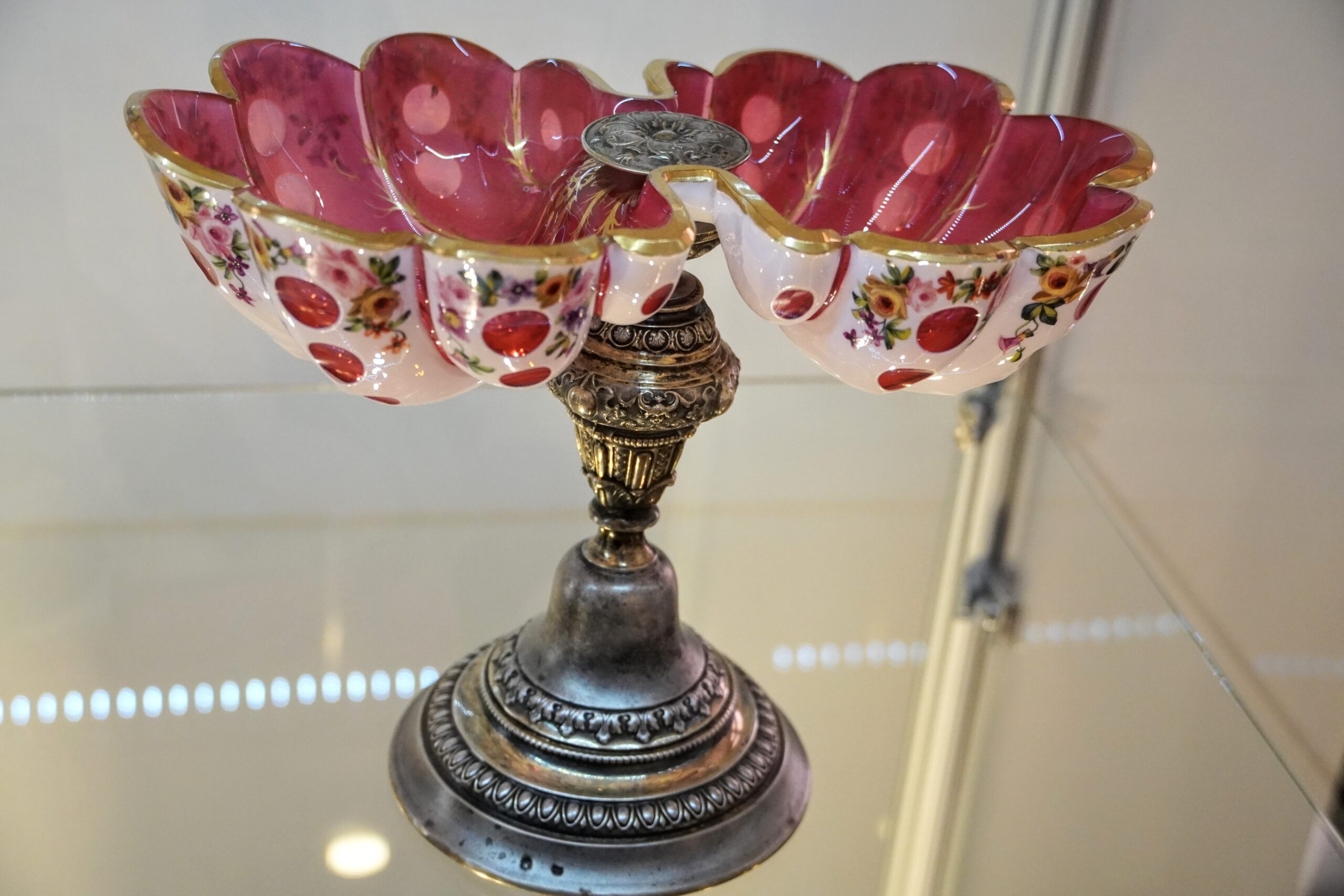
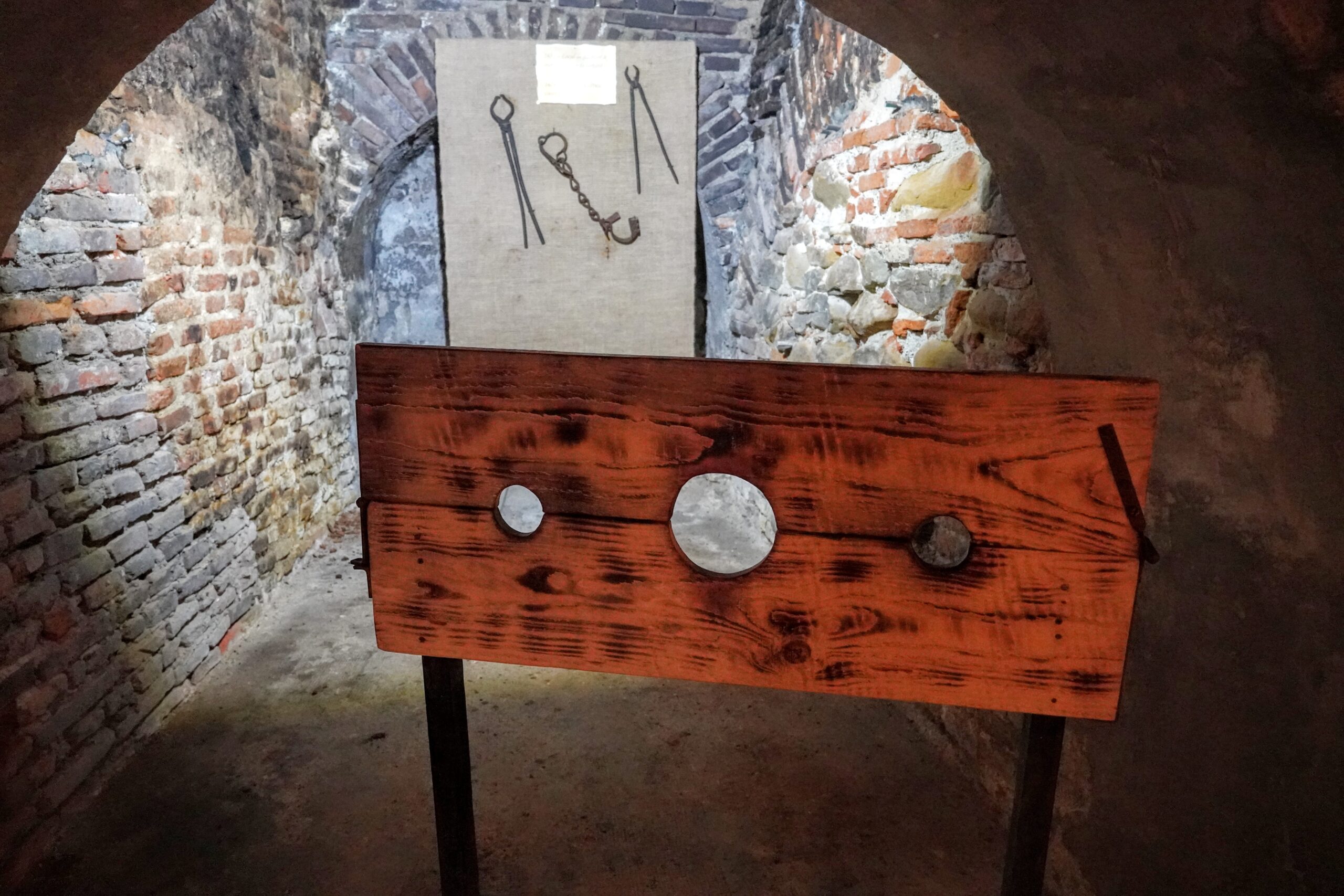
On the north side, the six rooms known as "Bathory Houses", exhibit pieces belonging mostly to the Szocs collection, considered one of the most valuable in the country which comprises Transylvanian glassware, religious glass icons, ceramics, Saxon traditional clothing and Saxon painted furniture. Apart from the Bathory Houses, there are also the Prison Tower which is not open for visitors and the Mottled Tower which houses an 19th century furniture exhibition.
On the east side there is a single permanent exhibition of Transylvanian decorative ceramics from the 18th – 19th centuries, followed by three rooms with temporary exhibitions and the souvenir shop. The tour goes up to the next floor where only the south wing can be visited, here being reconstituted the Throne Hall from the end of the 16th century, and it ends with the large wine cellar accessible from the inner courtyard.







Copyright © 2023 Muzet. All rights reserved Powered by Smartix.Digital Smartix.Digital